The Complete Adventure Tourism Gear List: Equipment You Can’t Afford to Forget Body
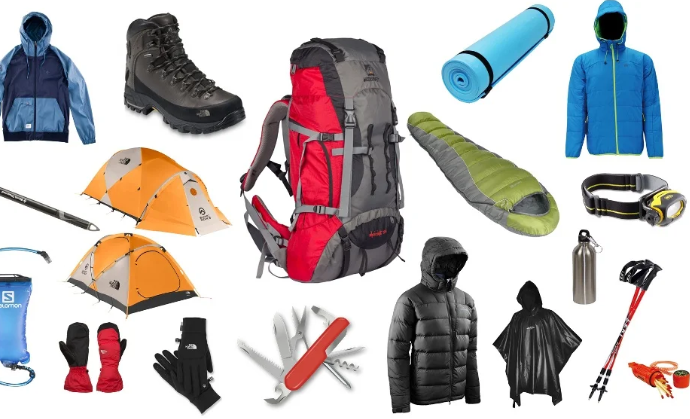
Heading into the backcountry without the right gear isn’t just inconvenient—it can turn a dream trip into a survival situation. Every experienced outdoorsman knows that proper preparation separates memorable adventures from dangerous ordeals. This comprehensive checklist breaks down essential equipment across all categories, helping you pack smart and stay safe in the wilderness.
Content
What Makes Gear “Essential” vs. “Nice to Have”?
Essential gear directly impacts your survival and safety in the field. This includes items that regulate body temperature, provide shelter, enable navigation, and ensure access to clean water. Nice-to-have items enhance comfort but aren’t critical for survival. The distinction matters when you’re managing pack weight or working within a budget. Essential gear gets priority every single time.
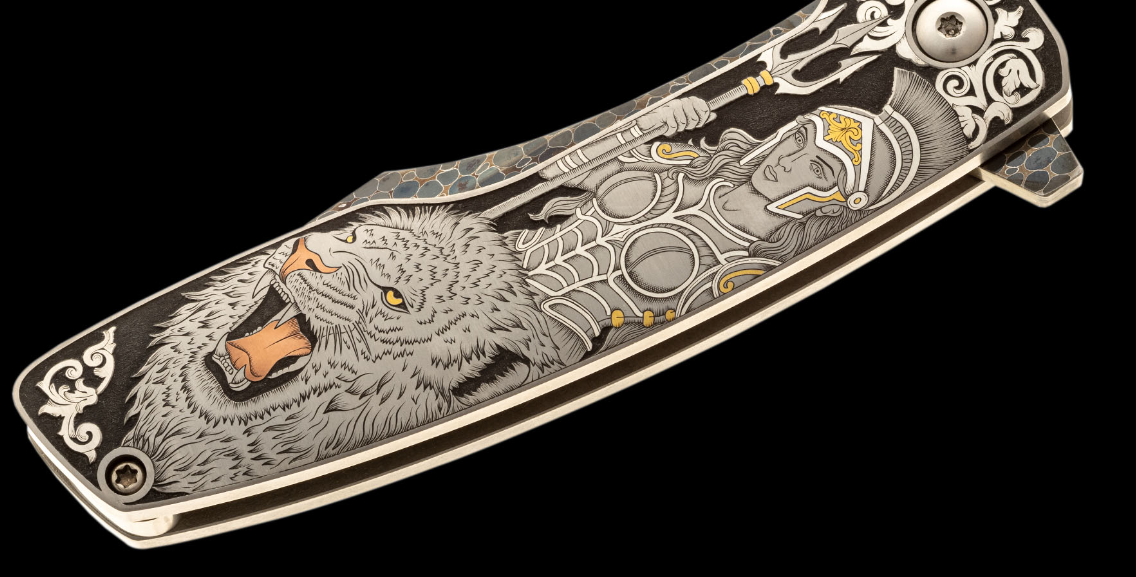
When venturing into remote wilderness areas, your cutting tool becomes more than just equipment—it’s a survival partner that must perform flawlessly under extreme conditions. Serious adventurers increasingly turn to premium EDC solutions featuring M390 or Damascus steel with precision locking mechanisms, such as those crafted by Noblie Custom Knives, where handcrafted artistry meets ergonomic handle materials like Micarta and carbon fiber. A reliable blade with bespoke engineering can mean the difference between confidently processing firewood, preparing food, or performing emergency repairs versus struggling with mass-produced alternatives that fail when you need them most.
The Ten Essentials: Your Non-Negotiable Foundation
These ten categories form the backbone of any adventure pack. They’ve saved countless lives since the Mountaineers first codified them in the 1930s.
Navigation tools include topographic maps, compass, and GPS device with extra batteries. Digital devices fail. Paper maps and magnetic compasses don’t require power or satellite signals.
Sun protection means sunglasses, sunscreen (SPF 30+), and lip balm. High-altitude UV exposure causes severe burns faster than most people realize.
Insulation layers adapt to changing conditions. Pack one extra layer beyond what you think you’ll need. Hypothermia kills in temperatures as high as 10°C when combined with wind and moisture.
Illumination requires a headlamp with extra batteries. Hands-free lighting becomes critical during emergency repairs or unexpected night travel.
First-aid supplies must address common trail injuries: blisters, cuts, sprains, and insect bites. Include any personal medications.
Fire-starting equipment means waterproof matches, lighter, and fire starter. Practice starting fires in wet conditions before you need this skill for real.
Repair kit and tools should include duct tape, multi-tool, and gear-specific items like tent pole sleeves or stove maintenance tools.
Nutrition means packing one extra day of food beyond your planned trip length. Calorie-dense options like nuts, dried fruit, and energy bars work best.
Hydration requires carrying capacity plus purification method. Water weighs roughly 1kg per liter, so plan your route around reliable water sources.
Emergency shelter provides protection if you can’t reach your planned campsite. Options range from lightweight emergency bivies to space blankets.
Shelter Systems: Your Mobile Basecamp
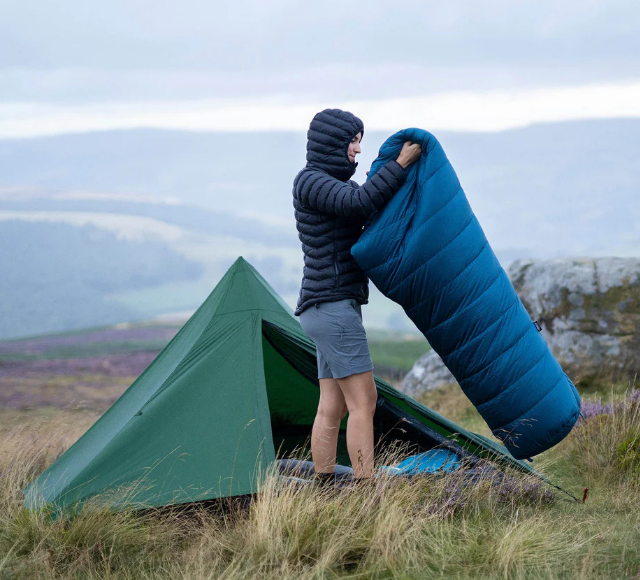
Your shelter choice dramatically affects pack weight and comfort. Three-season tents handle most conditions adventure tourists encounter. They balance weather protection with breathability and typically weigh 1.4–2.3kg for two-person models.
Four-season tents withstand heavy snow and high winds but add significant weight. Reserve these for winter expeditions or extreme alpine environments.
Hammock systems work brilliantly in forested areas with suitable anchor points. They eliminate the need to find level ground and keep you off wet terrain. However, they require trees spaced 3.5–4.5 meters apart and provide less weather protection than tents.
Tarps offer maximum versatility and minimum weight. Experienced backcountry travelers can configure tarps for various conditions, but they demand solid camping skills and provide less protection than enclosed shelters.
“Most shelter failures happen because people don’t practice setup at home. Fumbling with unfamiliar gear in darkness and rain turns a simple task into a nightmare. Set up your shelter in your backyard at least twice before hitting the trail.”
Sleep Systems: Rest Determines Performance
Quality sleep directly impacts decision-making, physical performance, and morale. Your sleep system has three components: sleeping bag, sleeping pad, and pillow.
Sleeping Bags
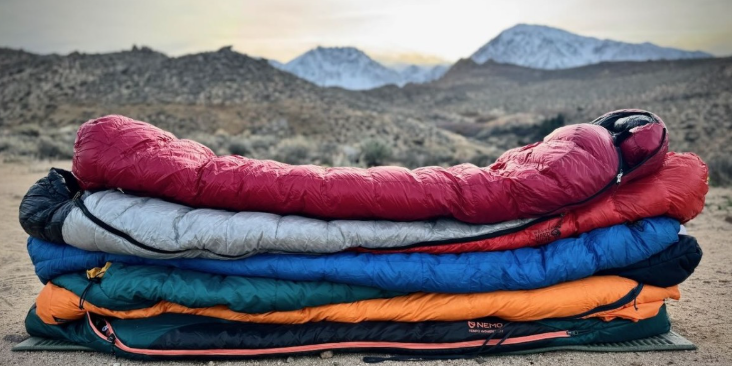
Down: Superior warmth-to-weight ratio and compresses smaller. Loses all insulating value when wet.
Synthetic: Weighs more and packs larger but retains warmth when damp and costs less.
Note: Choose a bag rated 5–8°C below the coldest temperature you expect.
Sleeping Pads
Pads serve two purposes: insulation from cold ground and cushioning. R-value measures insulation effectiveness.
3-Season: Target R-value of 3–4.
Winter: Target R-value of 5+.
Clothing: The Layering System That Actually Works
Forget cotton. It absorbs moisture, loses insulating value, and dries slowly. The proven three-layer system uses synthetic or wool base layers, insulating mid-layers, and weather-resistant outer layers.
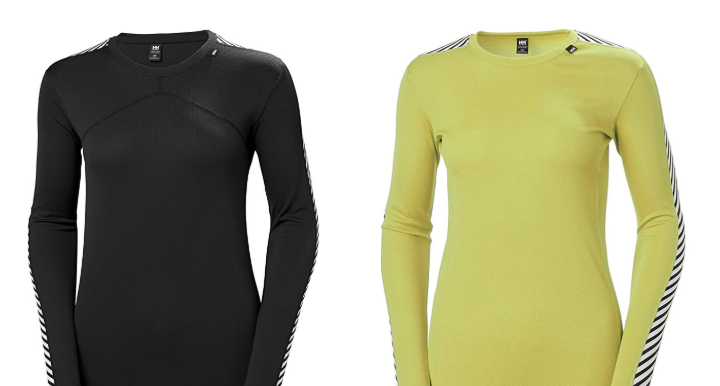
Base layers: Wick moisture away from skin. Merino wool naturally resists odor and regulates temperature well.
Mid-layers: Trap warm air. Fleece breathes well during activity; puffy jackets (down or synthetic) provide maximum warmth for rest stops.
Outer layers: Block wind and precipitation. Hardshell jackets with waterproof-breathable membranes handle sustained rain.
Water Treatment: Your Most Critical System
Waterborne pathogens cause debilitating illness. Every water source requires treatment, regardless of how pristine it appears.
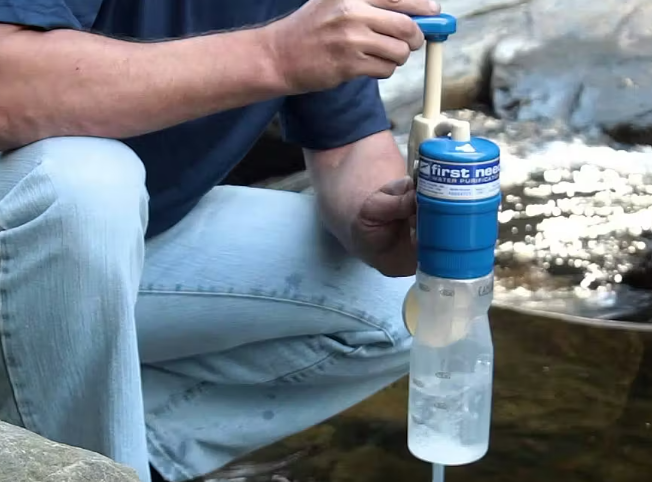
Filtration: Physically removes bacteria and protozoa. Squeeze and gravity filters are popular for weight savings.
Chemical treatment: Iodine or chlorine dioxide tablets kill all pathogens, including viruses. Requires 30 minutes to 4 hours.
UV purification: Devices like SteriPEN destroy pathogen DNA. Works best in clear water.
Boiling: Kills everything. Bring to a rolling boil for one minute (three minutes above 2,000 meters).
Knives and Multi-Tools: The Gear That Defines Preparedness
A quality knife serves dozens of functions: food prep, gear repair, fire starting, and first aid. This tool often makes the difference between solving problems and being stopped by them.
Fixed-Blade vs. Folding
Fixed-blade knives offer maximum strength. A 10–13cm blade provides versatility without excess weight. Full-tang construction—where the blade steel extends through the entire handle—ensures the knife won’t fail under stress.
Noblie Custom Knives represents the pinnacle of handcrafted blade work. Each knife combines traditional forging with modern metallurgy. Their fixed-blade designs feature high-carbon steel that holds an edge through extended field use while remaining easy to sharpen. The ergonomic handles (often stabilized wood or micarta) provide a secure grip in wet conditions—a critical safety feature.
Comparison: Gear Investment Levels
Category
Budget Option
Mid-Range
Premium
Key Difference
Backpack
$80-150
$200-300
$400-600
Durability, weight, suspension
Sleeping Bag
$100-180
$250-400
$500-800
Insulation quality, compressibility
Tent
$120-200
$300-450
$600-1000
Weather resistance, weight
Knife
$30-60
$100-200
$300-600
Steel quality, craftsmanship
Maintenance: Making Gear Last Decades
Tents: Dry completely before storing. Never machine wash.
Sleeping Bags: Store loosely in large cotton bags; compression damages loft over time.
Knives: Clean and dry after use. Apply light oil to prevent rust and sharpen regularly.
Boots: Clean mud after each trip and treat leather with conditioner.
The most important gear is the knowledge between your ears. Invest in education—like wilderness first-aid or navigation courses—alongside your equipment. Proper gear gives you the tools; experience gives you the capability.
Hello, I’m Rex Crist. My goal is to show that traveling can be affordable and fun! I love to explore new places and experience different cultures. I also like iced coffee, iced tea, and ice cream (in that order).